What does it take to make bourbon that refuses to be the same twice?
At Olde Raleigh Distillery in Zebulon, North Carolina, master blender Brandon McCraney treats each barrel as a different ingredient. Rather than pursue an identical flavor from one release to the next, he looks for balance, character, and a new expression of what a blend can be.
In this conversation, Brandon joins Crystal and Roger to discuss the choices behind a finished bourbon, the business realities of launching a craft spirits company, and why developing your palate starts with paying attention — not drinking more.
What you'll discover
- Blending as an art: Brandon describes his barrel inventory as a pantry and individual barrels as a collection of ingredients. Different barrels can provide body, an upfront accent, or a lingering finish.
- Why batches change: Olde Raleigh deliberately avoids recreating each release, allowing blends to reflect the barrels available and the blender's creative decisions.
- The unexpected business journey: Brandon describes opening during the pandemic, construction delays, cash pressure, and the eventual choice to focus on blending rather than activate the distillation equipment.
- The market behind the barrel: The discussion covers changing barrel supply and the challenge of standing out as an independent brand.
- Finished whiskey experiments: Brandon recalls a coffee-cask finishing process that went very differently from the instructions, and discusses other distinctive finishes.
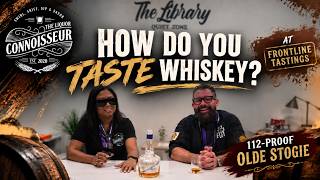
- Tasting with intention: Brandon explains how thoughtful observation, written tasting notes, and flavor memories can strengthen a person's ability to describe whiskey.
The takeaway
The through-line of this conversation is deliberate craftsmanship. Brandon is less interested in copying a familiar whiskey profile than in learning what a collection of barrels can become together. His approach — evaluating, selecting, combining — is closer to a chef working a pantry than a scientist chasing a formula.
The episode also makes an important distinction between enjoying a pour and studying it. Tasting attentively means noticing texture, aroma, and flavor associations. It doesn't mean drinking more; it means drinking with more intention.